
Lazy Susan Won’t Turn? The Complete Troubleshooting & Setup Guide


What is a Lazy Susan?
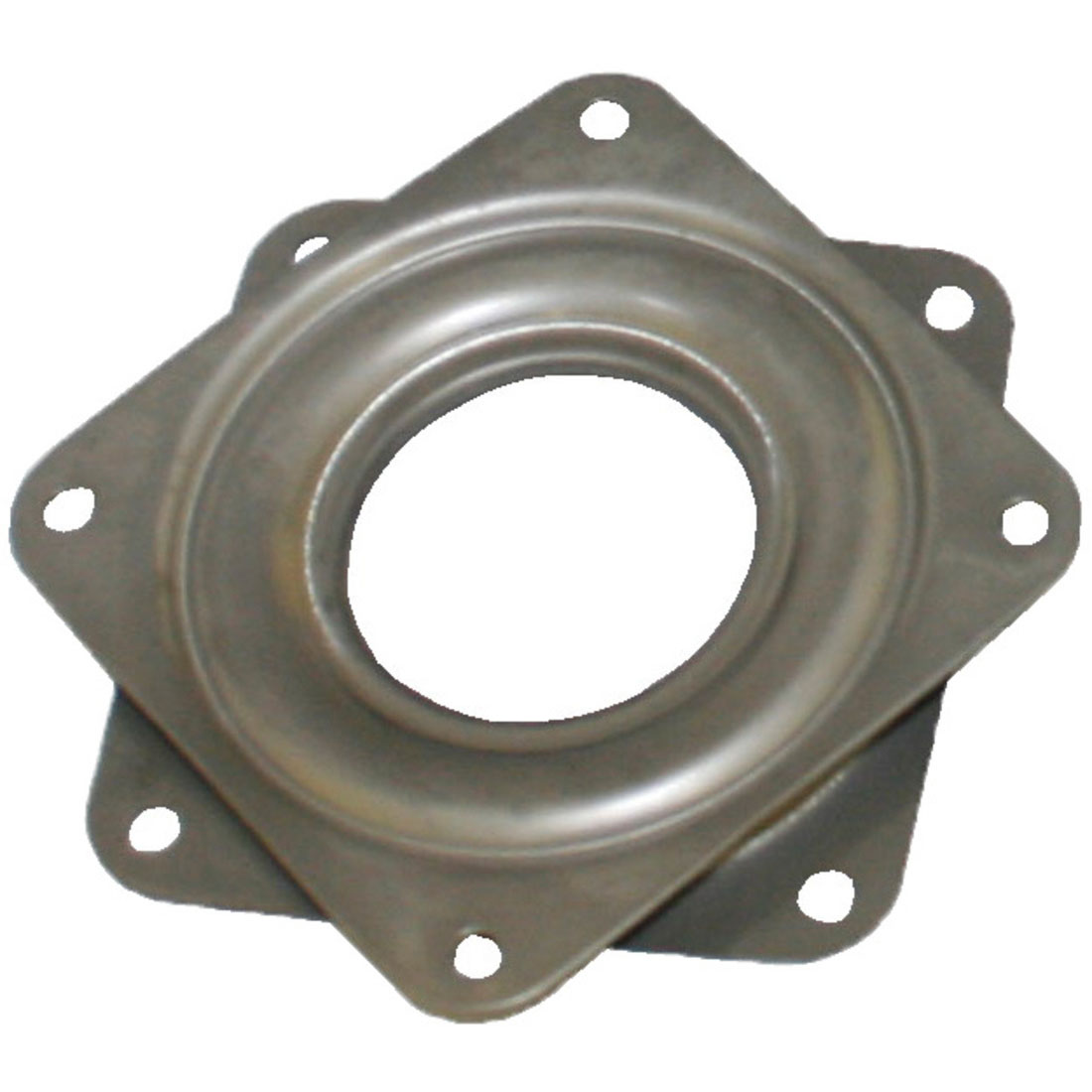
A lazy Susan is a rotating platform or turntable that allows easy access to items placed on it. Made from ball-bearing swivel plates, it spins smoothly so that objects can be reached without having to move the entire unit.
Common Reasons a Lazy Susan Won’t Turn
- Over-tightened fixings: Screws can bite into the inner race and lock rotation.
- Misaligned holes: Twisting preloads the bearing and causes tight spots.
- Overloading: Excess weight deforms raceways or flattens balls.
- Underloading: Lazy Susans with higher load ratings can be stiff or won't turn without some weight pressing down on the bearings.
- Debris or corrosion: Dust, chips, or rust in the race arrests motion.
- Warped substrate: Uneven bases or bowed timber twist the plate.
- Off-centre loading: Heavy items at the edge lead to racking and binding.
Quick Fixes
- Loosen, align, retighten: Back off fixings a quarter turn, rotate to settle, then tighten evenly.
- Add spacers: Low-profile washers prevent screw tips from contacting the inner race.
- Re-mount on a flat surface: Check with a straightedge; shim if necessary.
- Clean the race: Blow out debris with compressed air; wipe exposed edges.
- Light lubrication: Apply a small amount of light machine oil to exposed balls (if applicable).
- Re-balance load: Keep heavier items near the centre; stay within the rated capacity.
When to Replace a Lazy Susan?
- Persistent notches/clicks: Brinelling remains after realignment.
- Pitting or blueing: Heat or corrosion marks on the race.
- Distorted plate: Warped steel or elongated mounting holes.
- Coastal or humid sites: Upgrade to stainless steel for many New Zealand environments.
How to choose the right Lazy Susan
Stainless Steel Lazy Susan Swivel Plates
- Best for coastal, outdoor, kitchen, hospitality, and marine-adjacent areas.
- Strong corrosion resistance in humid or salty air.
- Hygienic and easy to clean for food prep turntables.
Plain Steel, Powder-Coated Swivel Plates
- Suited to dry indoor cabinetry, displays, AV turntables, and workshop jigs.
- Durable finish and good value for controlled environments.
- Protect edges and coating during installation.
Installation Tips: How to Prevent a Lazy Susan From Binding
- Mark and pilot-drill: Keeps holes square and prevents drift.
- Correct bolt length: Avoid tips protruding into the bearing path.
- Centre accurately: Use a template to avoid off-axis loads.
- Cross-pattern tightening: Even clamping reduces preload.
Lazy Susan Care & Maintenance
- Keep it clean: Periodically clear debris from the race.
- Light lubrication: Apply sparingly to exposed bearings only.
- Annual fixing check: Especially in high-traffic spaces.
- Moisture protection: Prefer stainless steel in damp sites; wipe spills promptly.
Troubleshooting at a Glance
- No rotation: Loosen screws, realign, confirm no screw tip contacts the inner ring.
- Gritty feel: Clean debris; inspect for corrosion; lubricate lightly.
- Quarter-turn bind: Substrate twist—re-mount on a flat surface.
- Sag/scrape: Load too high or plate undersized—upgrade size or rating.
Where are Lazy Susans used?
-
Machinery maintenance and assembly – enabling workers to rotate components or equipment during inspection or repair.
-
Welding and fabrication tables – allowing parts to be turned smoothly for precision work without repeatedly repositioning them.
-
Display and inspection stands – providing controlled rotation of products or prototypes for quality checks or exhibitions.
-
Heavy-duty workbenches – supporting large or awkward items so they can be easily accessed from all sides.
-
Material handling systems – helping to rotate containers, drums, or assemblies safely and efficiently.