
Gas Strut Calculator
For doors opening 90° from vertical (closed) to horizontal (open)
Matching Gas Struts
Your Specifications
Gas Strut Calculator
Use the Co-Mac Gas Strut Calculator to help calculate the correct gas strut pressure for canopies, toolboxes, trailer lids, marine hatches, access panels, and industrial applications.
This calculator helps determine the ideal gas strut force based on:
- lid weight
- door dimensions
Choosing the correct gas strut improves:
- safety
- ease of opening
- controlled movement
- hinge life
- overall usability
What This Gas Strut Calculator Helps You Calculate
The Co-Mac Gas Strut Calculator helps determine:
- correct gas strut pressure
- gas strut sizing
- force required to support lids and doors
- suitable gas struts for canopies and toolboxes
It is commonly used for:
- ute canopies
- toolboxes
- trailer lids
- marine hatches
- truck storage compartments
- machinery covers
- access doors
What Are Gas Struts?
Gas struts, also known as gas springs or gas rams, are devices that use compressed gas to assist with lifting, lowering, and supporting doors, lids, panels, and hatches.
They are commonly used on:
- ute canopies
- toolboxes
- trailers
- overhead cupboards
- marine hatches
- machinery covers
- access panels
Gas struts make heavy lids easier and safer to open while providing smooth, controlled movement.
How Do Gas Struts Work?
Gas struts work using high-pressure nitrogen gas sealed inside a cylinder.
As the strut compresses and extends, the gas pressure creates resistance that helps support weight and control movement.
This provides:
- smooth opening and closing
- reduced lifting effort
- controlled motion without slamming
- safer operation for heavy doors and lids
Most gas struts also contain oil for damping and lubrication, helping extend service life and improve performance.
Common Gas Strut Applications
Vehicle & Transport
- ute canopies
- toolboxes
- trailer lids
- truck storage compartments
- vehicle boots and bonnets
Marine
- boat hatches
- storage lockers
- access doors
Industrial & Commercial
- machinery guards
- access panels
- electrical cabinets
- overhead compartments
Residential & Furniture
- overhead cupboards
- storage beds
- cabinetry
- office equipment
Gas struts are ideal anywhere controlled lifting or support is required.
How to Use the Gas Strut Calculator
The gas strut calculator helps estimate the correct pressure required for your application.
Important factors include:
- lid weight
- lid size
Correct setup is important because:
- too much force can make the lid difficult to close
- too little force may not hold the lid safely open
How Do You Choose the Correct Gas Strut Force?
Selecting the correct gas strut force depends on:
- lid or door weight
- lid dimensions
- hinge position
- mounting geometry
- opening angle
- number of struts used
Co-Mac gas struts are rated in kilograms (kg) rather than Newtons (N).
Each gas strut is supplied charged to its maximum pressure rating. For example:
- a 120kg gas strut is supplied with 120kg of force
- the pressure can then be adjusted down to suit the application
This allows the strut to be fine-tuned during installation for smoother operation and proper support.
If the force is:
- too high → the lid may be difficult to close
- too low → the lid may not stay open safely
Why Adjustable Gas Struts Are Better
Co-Mac adjustable gas struts are supplied at maximum pressure and can be reduced during installation.
Benefits include:
- more accurate setup
- smoother opening and closing
- better lid control
- easier installation
- fine tuning after fitting
- improved safety
This is especially useful for:
- canopies
- trailers
- toolboxes
- marine hatches
- custom fabrication projects
- machinery access doors
Important:
Once pressure is released, it generally cannot be added back without specialised re-gassing equipment.
Gas Strut Force Guide
The below guide provides a rough indication only.
Actual pressure required depends on:
- mounting geometry
- leverage
- opening angle
- lid dimensions
| Application | Typical Gas Strut Range |
|---|---|
| Small toolbox | 10kg–30kg |
| Ute canopy window | 20kg–50kg |
| Large canopy door | 40kg–80kg |
| Heavy trailer lid | 60kg–120kg+ |
| Industrial access panel | 80kg–150kg+ |
Two smaller struts are usually preferred over one larger strut for:
- better balance
- smoother operation
- reduced hinge stress
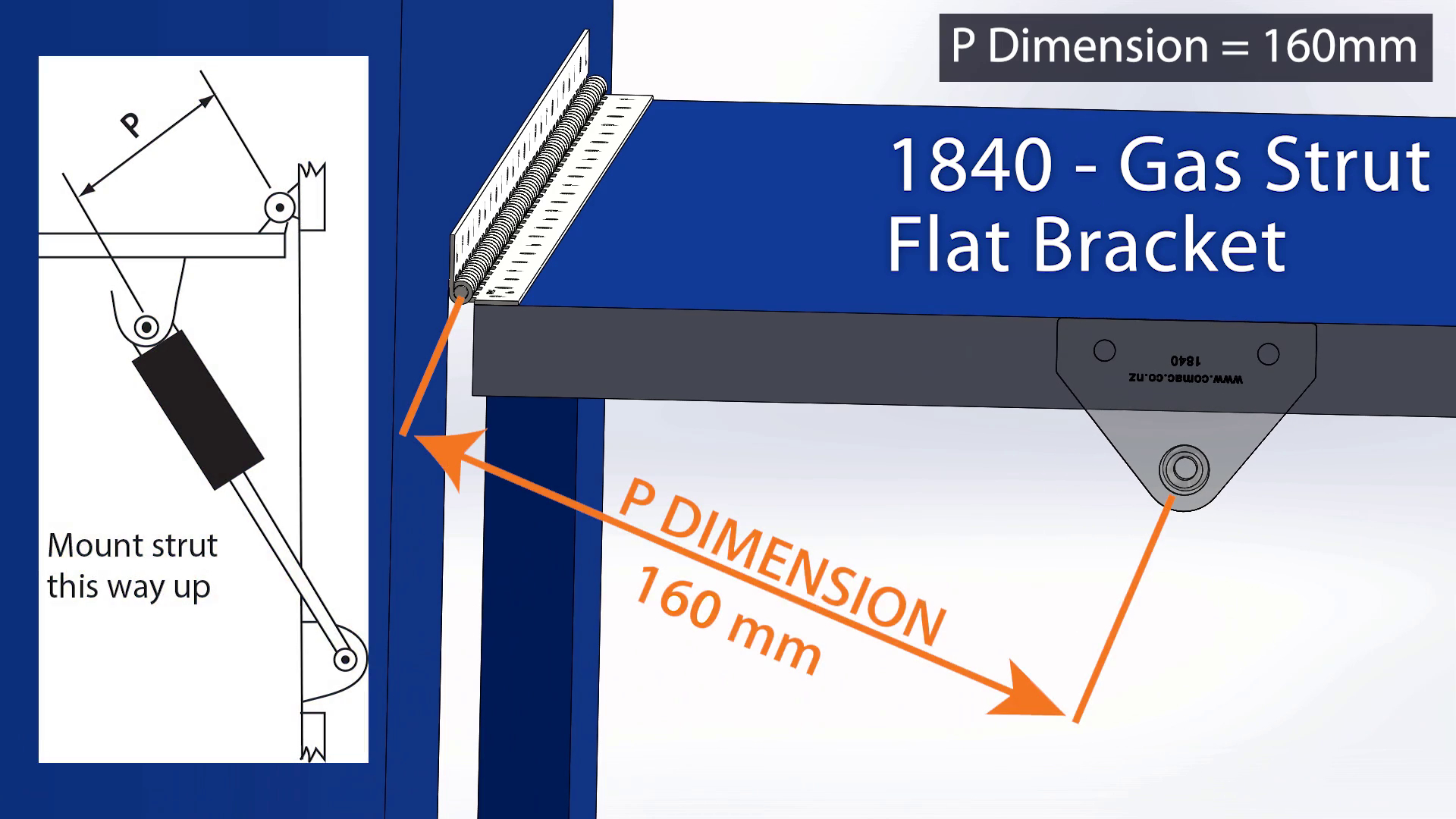
Why Gas Strut Mounting Position Matters
Mounting position has a major effect on the pressure required.
Moving the strut:
- closer to the hinge increases force required
- further from the hinge reduces force required
Incorrect mounting geometry can cause:
- difficult closing
- poor opening performance
- excessive hinge stress
- uneven movement
Correct mounting position is just as important as choosing the correct pressure.
How Do You Measure a Gas Strut?
Correct measurement is essential when replacing a gas strut.
Step 1 – Measure Extended Length
Measure from the centre of one mounting point to the centre of the other when fully extended.
Step 2 – Measure Stroke Length
The stroke is the distance the shaft travels between fully closed and fully open.
Step 3 – Check End Fittings
Check:
- ball sockets
- brackets
- thread size
- mounting hardware
Matching the correct fittings ensures proper installation and operation.
How Many Gas Struts Do You Need?
Most applications use two gas struts.
Using two struts:
- distributes weight evenly
- reduces stress on hinges
- improves stability
- prevents twisting
- increases service life
How Do You Install Gas Struts?
Proper installation is important for safe operation and long service life.
Basic Installation Steps
- Secure the lid or door safely in the open position
- Install the upper mounting point first
- Position the lower bracket
- Attach the gas strut
- Test movement carefully
What Opening Angle Should Gas Struts Use?
Most gas strut applications open doors to 90°
The opening angle affects:
- lifting force required
- ease of opening
- holding performance
- mounting position
Larger opening angles generally require more careful mounting geometry.
Common Gas Strut Problems
Lid Will Not Stay Open
Possible causes:
- pressure too low
- worn seals
- incorrect strut selection
Gas Strut Too Strong to Close
Possible causes:
- pressure too high
- incorrect mounting position
Uneven Opening or Twisting
Possible causes:
- one strut failing
- incorrect bracket placement
- only one strut being used
Gas Strut Sticks or Jerks
Possible causes:
- shaft damage
- contamination
- internal wear
Gas Strut Stuck Extended
Overextended gas struts are often unsafe and usually require replacement.
How Long Do Gas Struts Last?
Gas strut lifespan depends on:
- load
- environment
- usage frequency
- mounting position
- material quality
Harsh conditions such as:
- marine exposure
- dirt
- heavy vibration
- corrosive environments
can reduce service life.
Quality gas struts installed correctly can last many years.
Stainless Steel vs Black Gas Struts
Stainless Steel Gas Struts
Best for:
- marine applications
- outdoor environments
- corrosive conditions
- food processing
- washdown areas
Benefits:
- excellent corrosion resistance
- long service life
- professional appearance
Black Powder-Coated Gas Struts
Best for:
- canopies
- toolboxes
- trailers
- industrial applications
Benefits:
- durable finish
- cost-effective
- clean appearance
Can Gas Struts Be Repaired or Refilled?
We can refill and re-gas Co-Mac gas struts if the strut is still in good condition.
For a strut to be suitable for refilling:
- the cylinder must be undamaged
- the shaft must be straight and clean
- the seals must still be serviceable
However, if the strut or seals are damaged, replacement is usually:
- safer
- faster
- more cost-effective
Common signs a gas strut may need replacing include:
- oil leakage
- bent shafts
- damaged seals
- excessive corrosion
- jerky or uneven movement
- inability to hold pressure
Why Are Gas Struts Important?
Gas struts improve both safety and usability.
Key benefits include:
- reducing lifting effort
- preventing sudden drops
- improving safety
- providing controlled movement
- reducing hinge stress
- improving access to compartments and storage areas
They are widely used because they make heavy lids and doors safer, smoother, and easier to operate.
Gas Strut Terminology
Gas struts are also commonly referred to as:
- gas springs
- gas rams
- lift supports
- support struts
- hydraulic struts
Different industries may use different terminology for the same product.
What Type of Gas Struts Does Co-Mac Supply?
Co-Mac supplies push-type gas struts.
Push gas struts are designed to extend outward to lift and support:
- doors
- lids
- access panels
- hatches
They provide smooth opening and reliable support for industrial, transport, marine, and commercial applications.
Gas Strut Applications We Commonly Supply For
We regularly supply gas struts for:
- ute canopies
- trailers
- truck bodies
- toolboxes
- marine hatches
- industrial machinery
- agricultural equipment
- storage compartments
- access doors
Related Products
Gas struts commonly pair with:
- gas strut brackets
- ball studs
- mounting hardware
- hinges
- compression latches
- rubber buffers
Using quality mounting hardware helps improve performance and service life.
Need Help Choosing the Correct Gas Strut?
Choosing the correct gas strut depends on:
- pressure
- length
- mounting position
- application type
- environment
The Co-Mac team can help you select:
- correct gas strut pressure
- suitable mounting hardware
- stainless or black gas struts
- replacement gas struts
- canopy or toolbox struts
- adjustable gas strut options
If you are unsure which gas strut you need, contact us with:
- lid dimensions
- approximate weight
- opening angle
- photos of the application
- Choosing a selection results in a full page refresh.